Art-Science Residency
Shifting perspectives through art and neuroscience
NeuroNarratives Residents
We are thrilled to welcome our Artists and Scientists residents to the NeuroNarratives Residency Programme!
This unique initiative is dedicated to bridging the gap between disciplines by fostering meaningful collaboration at the intersection of Art and Neuroscience. Over thec coming year, our residents will work together to explore new ways of translating complex scientific findings into engaging and creative formats, shifting perspectives through cross-disciplinary exchange.
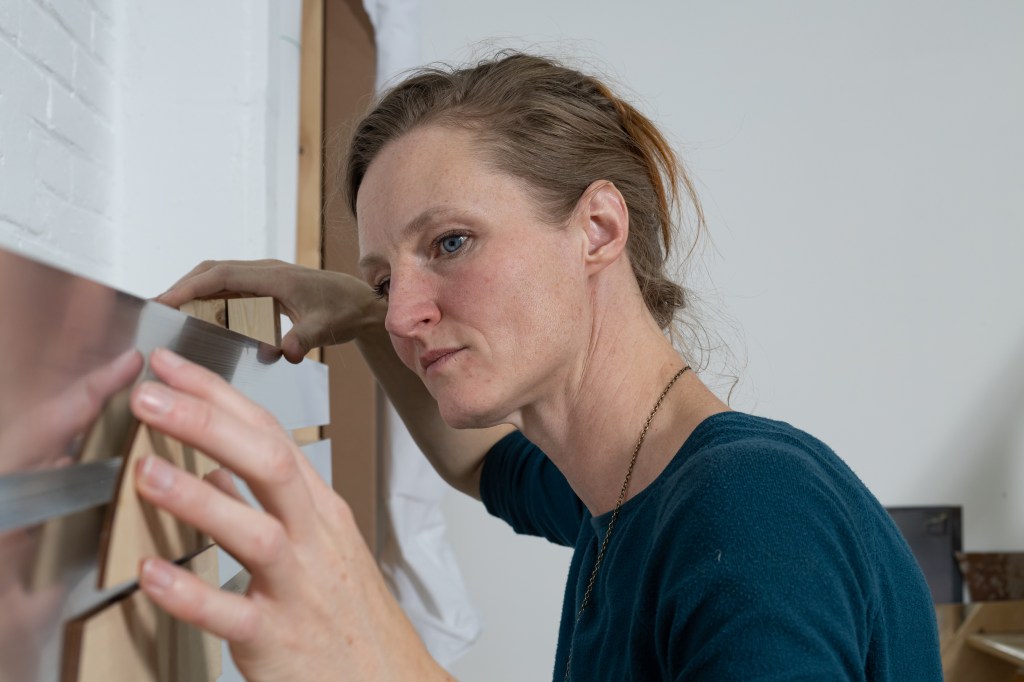
Nieke Koek, Haarlem, The Netherlands
Artist
Nieke Koek (b. 1982, Roelofarendsveen) has always been fascinated by the human body. Her work is a poetic translation of the experience of the body, raising everyday sensations to the level of art. With body awareness as a starting point and through (theoretical) research, a diverse palette of works is realized. The artworks vary from performance to video installation, from wearable to sculpture, and involve illustrative elements of the body in motion.
She isolates and enlarges sensations into conceptual, associative, and perceptible situations. The work is not an illustration of what the body can do, but it is examining the condition by which the experience of the body of the audience can be activated. Nieke works with the (in)capacity of the human body. Therefore she collaborates with healthcare institutions, scientists, and individuals that have to deal with illness, death, and rehabilitation.
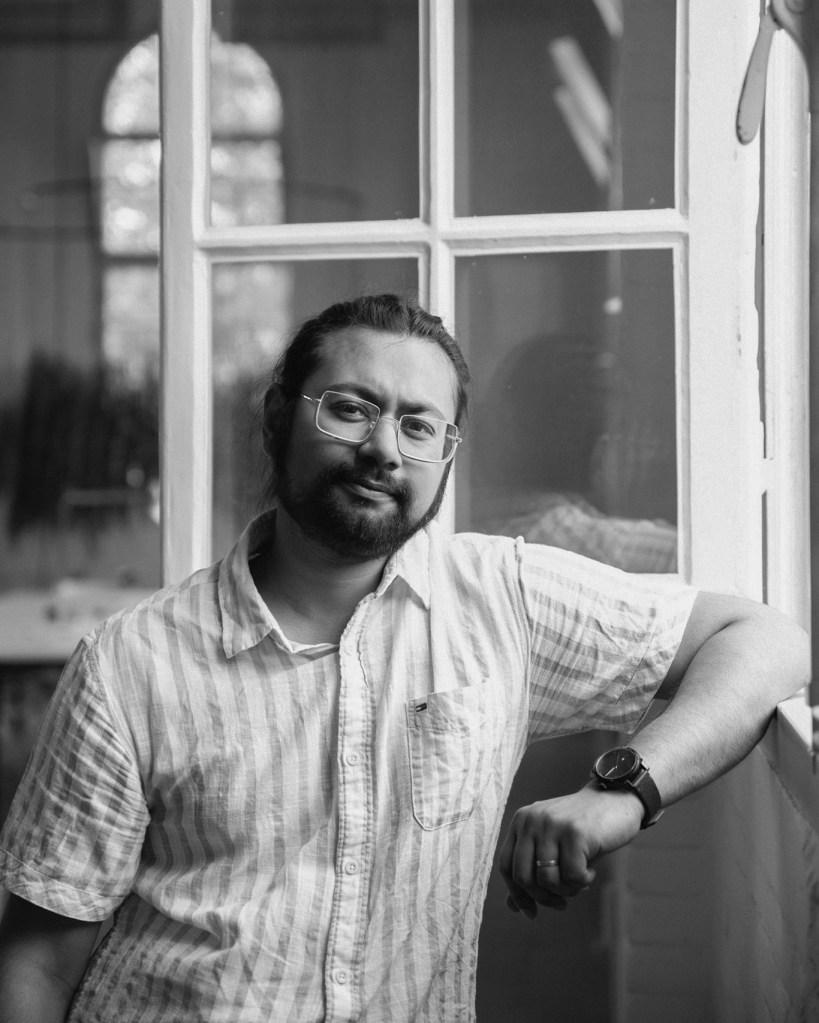
Sounak Das, Den Bosch, The Netherlands
Artist
Sounak Das is a multimedia artist currently undergoing MEDIAE 2024/25 Online Masterclass on Transmedia Storytelling, PhMuseum. He studied MA in Visual Arts and Post-Contemporary practice at Masters Institute of Visual Cultures, Netherlands. With a passion for storytelling, he has a background in documentary photography and journalism from Pathshala South Asian Media Institute, Bangladesh.
His creative process involves the amalgamation of photography, sound, fi lm & moving images, sculptural installations, and blending technologies to engage in immersive-interactive installations. He is captivated by the experimental use of media and technology in art. He means to analyze the causality of his lived experiences subsumed in the technocentric age, bridging the human, machine, and nature relation as an intrinsic entanglement. He explores the deeper philosophical and metaphysical implications of technology and human existence in contemporary culture. He contributes to developing pedagogy and mentorship to blend speculative tools and techniques for new media storytelling.
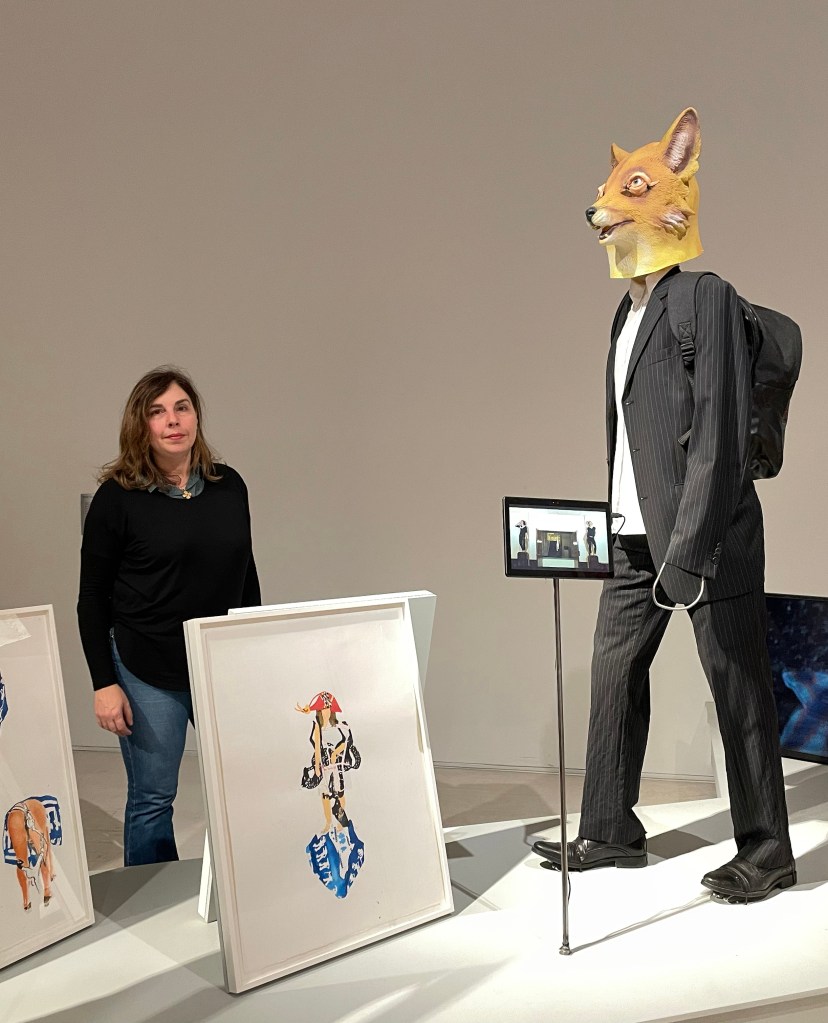
Eleni Kamma, Maastricht, The Netherlands
Visual artist, researcher, and educator
Eleni Kamma (Athens, 1973) is a visual artist, researcher and educator. She holds a PhD Doctoral degree from Leiden University Academy of Creative and Performing Arts (2016-2021). In 2008/2009 she was a Fine Art Researcher at the Jan Van Eyck Academie, Maastricht.
Her work has been presented at various exhibition venues, fi lm and performance festivals world-wide, including, among others, Kunsthal Gent; West Den Haag; 10th International Istanbul Biennial; Palais de Tokyo, Paris; EMST National Museum of Contemporary Art, Athens; Casino Luxembourg, Luxembourg; Bonnefanten Museum, Maastricht; IASPIS, Stockholm; SALT, Istanbul; WIELS, Brussels, Cittadellarte –Fondazione Pistoletto, Biella; Kristianstads konsthall, Kristianstad; Transmediale, Berlin; Museum-M, Leuven. Kamma is a team member at the Academy of Arts Maastricht. She was a mentor for the Visual Arts SNF Artist Fellowship Program 2022, Stavros Niarchos Foundation, Athens, and a visiting lecturer at the Royal Academy of Art in The Hague (KABK) and LUCA School of Arts, Brussels. Kamma lives and works in Brussels and Maastricht.
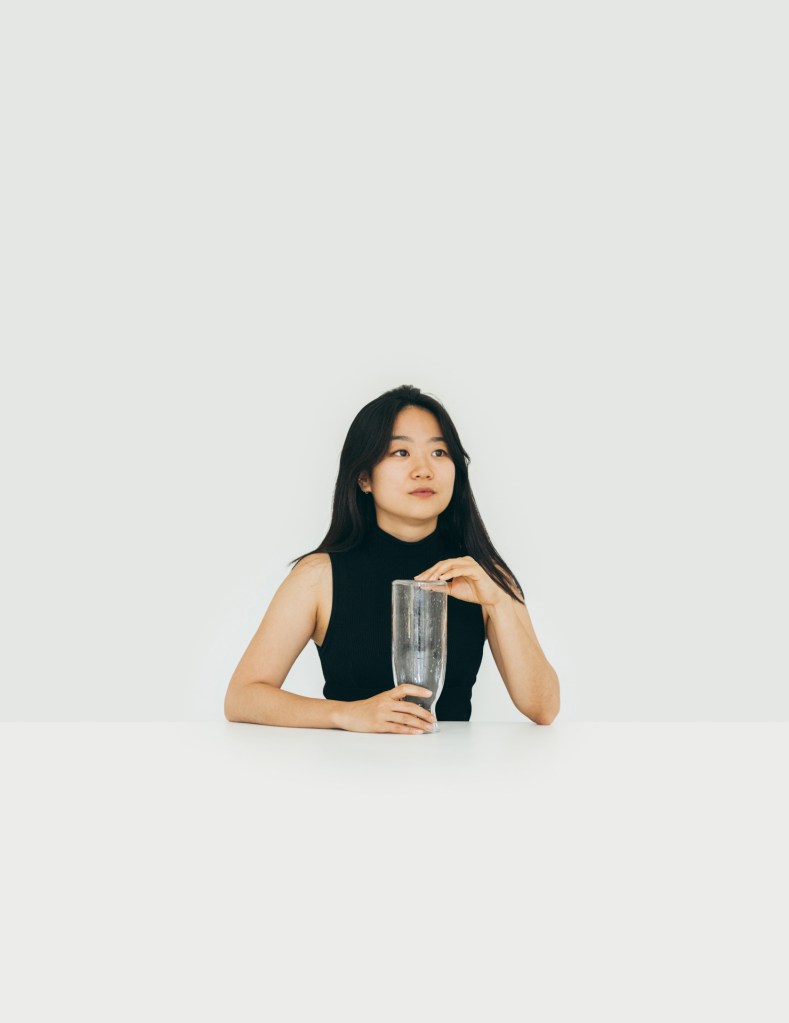
Kurina Sohn, Amsterdam, The Netherlands
Artists
Kurina Sohn is a multidisciplinary designer from Korea who is based in Amsterdam. She has been involved in residencies, grants, and exhibits internationally: Z33(Hasselt, BE), V2_Unstable Media(Rotterdam, NL), Ars Electonica with IMPAKT, Het Nieuwe Instituut (Rotterdam, NL), Dutch Design Week, and COLLECTIBLES. She has co-initiated a fl uid Asian collective called NeeNe Collective.
Her work delves into the extraordinary, exploring diverse realms, life forms, and narratives that transcend the ordinary. Grounded in comprehensive research, her projects employ a poetic approach to offer fl uid and inclusive interpretations of modern realities. Utilizing tools and technologies such as artifi cial intelligence and digital fabrication, she infuses her creations with a deep theoretical understanding of these transformative elements, ranging from collectible design to immersive installations. Constantly pursuing innovation, Kurina remains committed to challenging societal norms and expanding the boundaries of design.
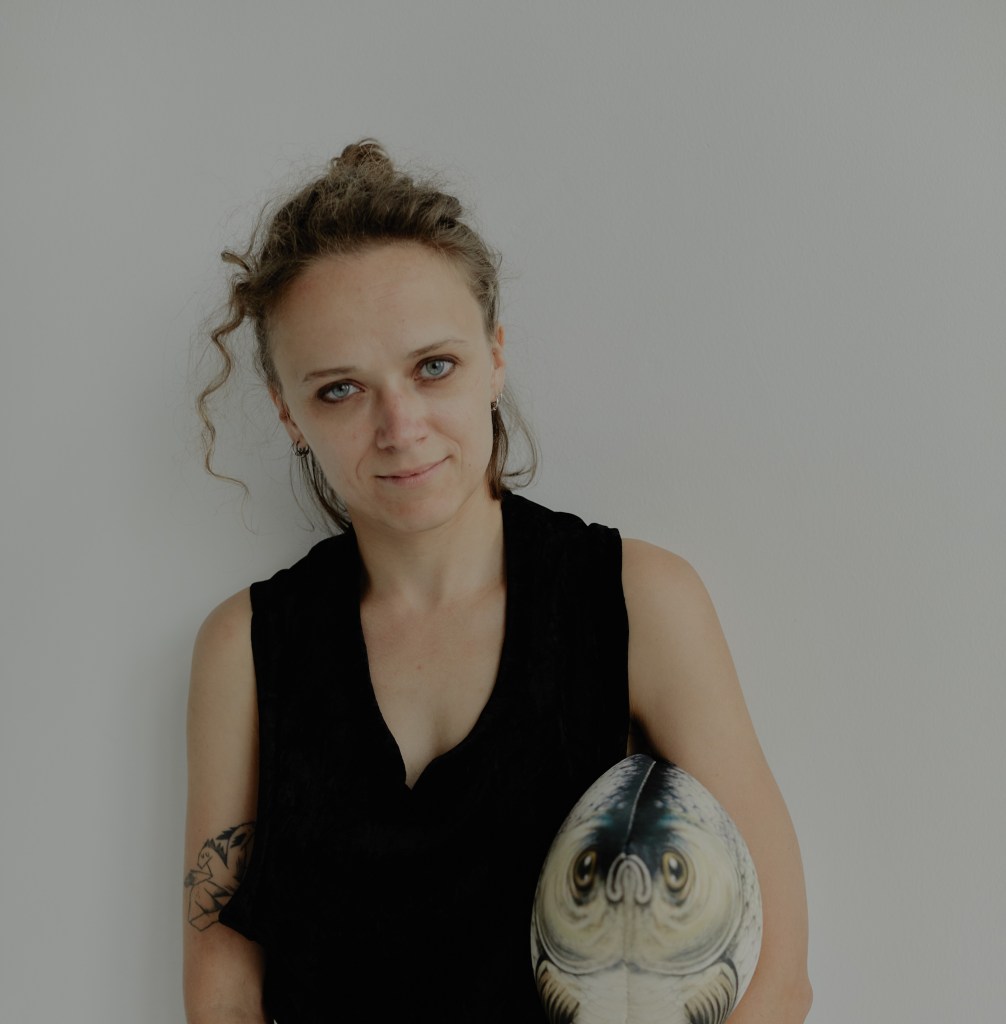
Marina Orlova, Amsterdam, The Netherlands
Artists
Marina Orlova is an independent dance/theatre maker and tech dramaturg. After receiving education in sociology (‘09) and cultural studies (‘12) in Moscow, she became a self-taught dance artist and later moved to Amsterdam to study at the experimental choreography department (SNDO) at the Amsterdam Academy of Theatre and Dance (‘21).
Since 2020 she has been working with AI on stage, being a mediator between AI engineering logic and theatre apparatus. She is creating anti-disciplinary performances on the crossover of mental health, AI ethics, and Data feminism. In 2024 she was an alumni-in-residence at IDlab at AHK and her latest project “I’m a Robot and I Need Therapy” was presented at Veem House for Performance, Flam Festival Amsterdam, Frascati Theater Amsterdam, and Next Level Festival (DE). Her current artistic practice also includes writing, teaching, and facilitating a support group for “artists in distress”. Her aesthetics are autofi ction, tragicomedy, and absurdism.
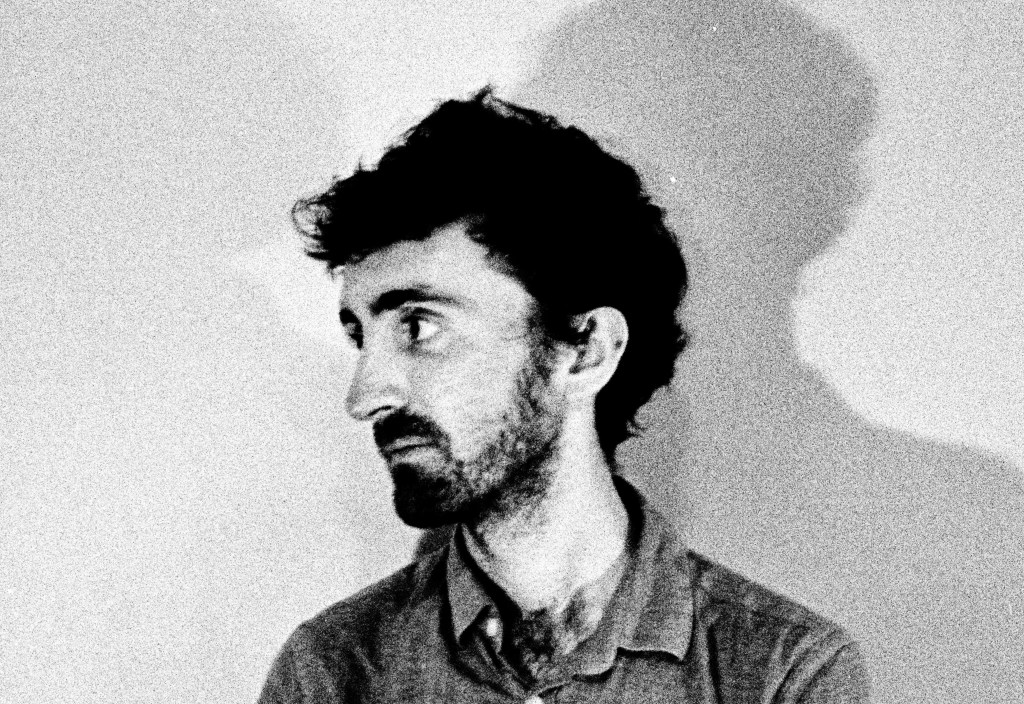
Armand Lesecq, Paris and Strasbourg, France
Interdisciplinary artist and music composer
Armand Lesecq (1994, FR) is an interdisciplinary artist and music composer developing a practice in the fi elds of sound and visual art, art-science, experimental music, and expanded cinema. He holds a Master’s degree from the Artscience Interfaculty (The Hague, NL), studied at the HEAR Strasbourg (FR), and electroacoustic music at the Conservatoire de Pantin (FR).
His research lies at the crossroads between studies of altered states of consciousness (hypnosis, sensory deprivation), psychophysical phenomena (otoacoustic emission, phosphene), and the role of mental projections in the process of reality-making (perception). His work revolves around the induction of psychic states, the suggestion of mental images, and perceptual confusion. He is developing research on closed-eye cinema with the project Phosphene. He is active as an electronic musician in the experimental music scene, playing solo as well as in collaborative projects. He also works as a sound designer, and electroacoustic composer for fi lm, installation, and performing arts.
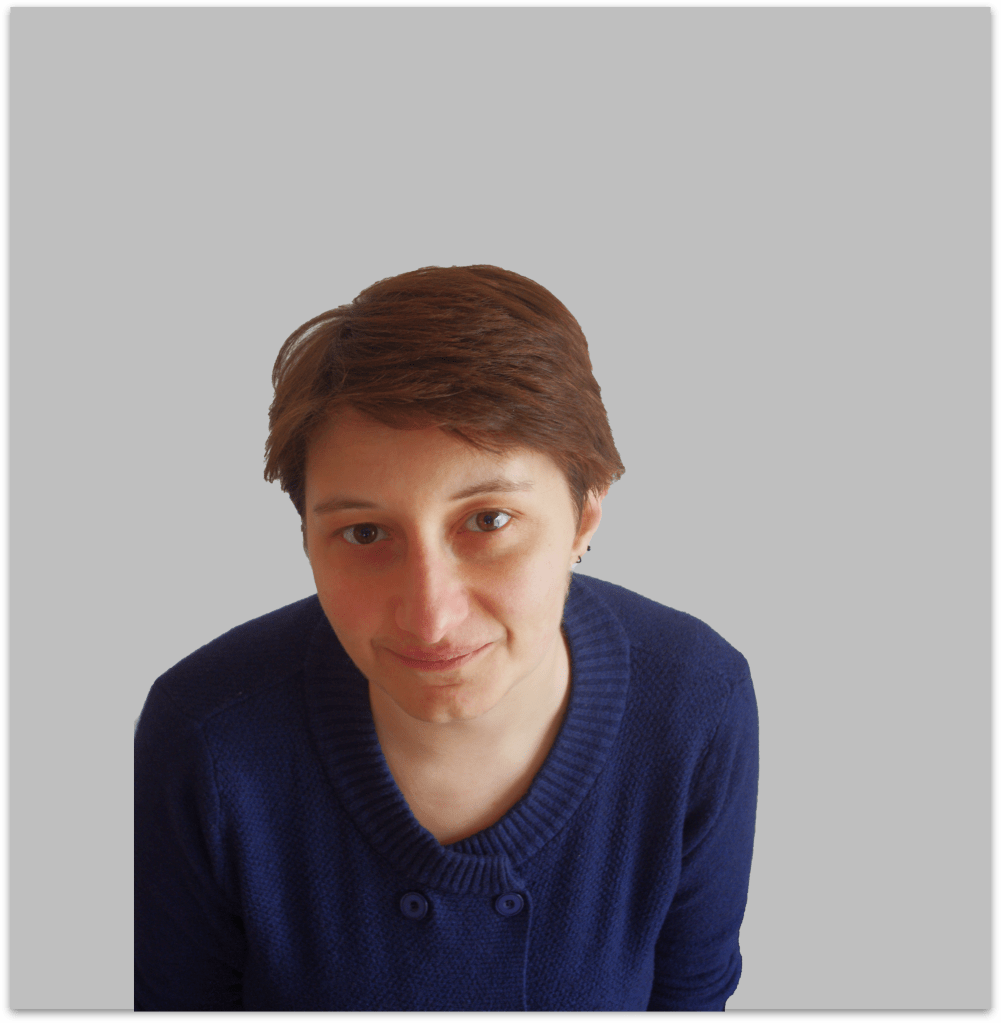
Sara Garofalo, Bologna, Italy
Scientist
Researcher by day, science communicator by night. I am a Neuroscientist and a Professor of Psychometrics at the Department of Psychology of the University of Bologna (Italy). My scientifi c research focuses on understanding and measuring how the human brain responds to external stimuli that, once associated with rewards and punishments (that is, what we desire or fear), can infl uence our daily choices.
As a science communicator, I wrote books, articles, and create video content for various platforms, including TED, TED-Ed, and HuffPost UK. I also organize public events, mainly focused on the psychological mechanisms behind seemingly irrational choices and the ways social media interact with our brain. I was awarded the Italian National Prize for Science Communication (Under 35) for my fi rst science communication book “Sbagliando non si impara” (Il Saggiatore, 2021), which explores the power cognitive biases in daily life choices.
Leila Salvesen, Amsterdam, The Netherlands
Scientist
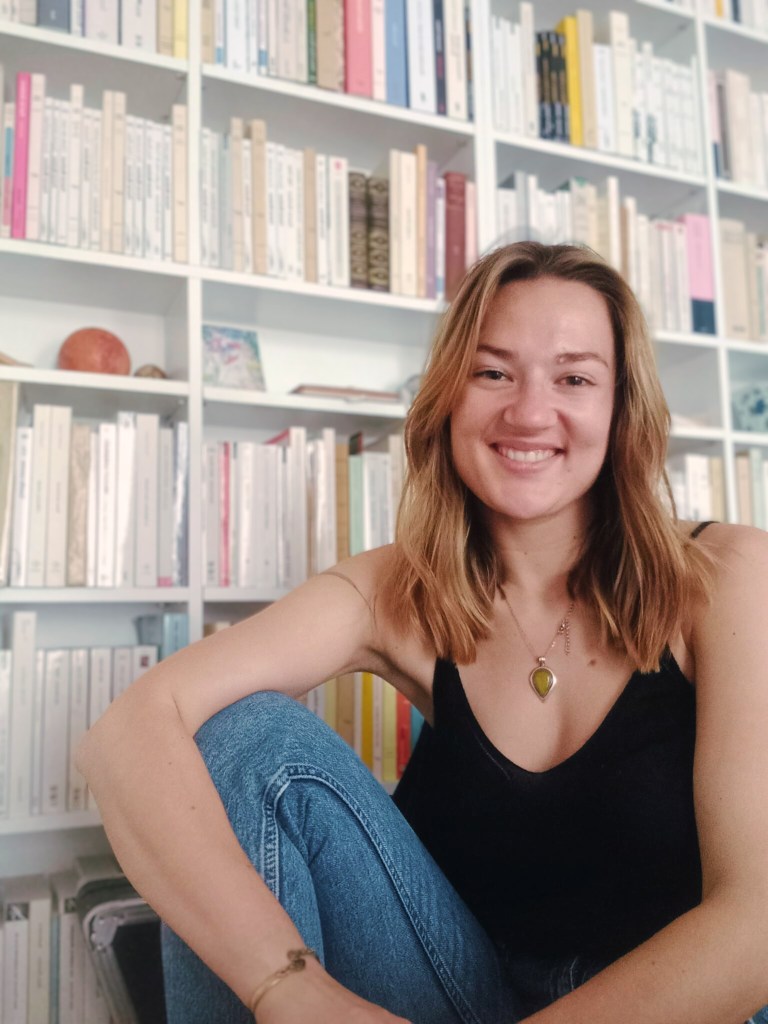
Leila Salvesen is a doctor in cognitive neuroscience, specializing in consciousness research. Her work has primarily focused on dream consciousness, investigating the determinants of oneiric experiences and their relationship to sensory (dis)connection processes during sleep. Currently, she is a postdoctoral researcher at VU Amsterdam, exploring the neural signatures of meditative practices and how they may inform predictive brain theories.
Beyond scientifi c research, Leila is training as a hypnotherapist, building on her background in psychology to harness spontaneously arising altered states of consciousness for mental health. She also contributes as an activist for European policy reform initiatives, supporting the development of frameworks that integrate psychedelic-assisted therapies into clinical settings, further emphasizing the potential of altered states of consciousness to enhance psychological well-being.
As a classically trained violinist, she enjoys exploring improvisation and creative expression. Passionate about combining art and science, she has contributed to several interdisciplinary residencies as a researcher.
Maartje de Jong, Utrecht, The Netherlands
Scientist
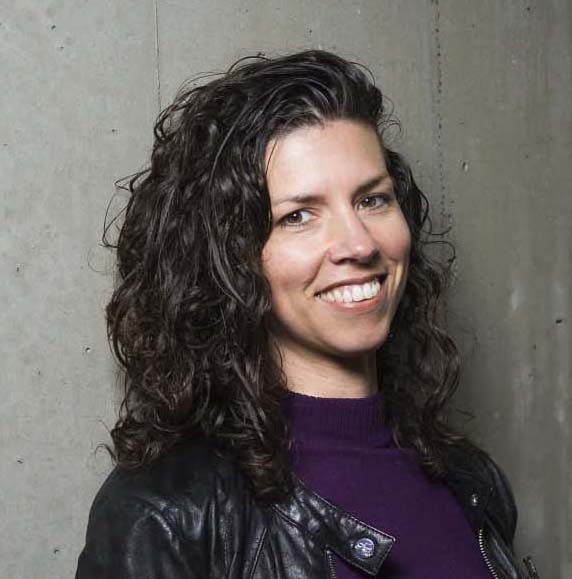
Maartje de Jong is a scientist at the Netherlands Institute of Neuroscience in Amsterdam. She uses MRI scanners and electrodes on the scalp or inside a brain to measure activations in alive and functioning human brains.
Her research work is interested in how our brain makes sense of all the information it receives through our senses. She wants to know how our brain uses this information to create a meaningful image of the outside world. An image that serves our needs and goals and guides our behaviors. Refl ecting on its multidisciplinary nature, she has also studied her research topic at the Child Psychiatry department of UMC Utrecht and at the faculties of Physics and Psychology of Utrecht University. She currently uses visual illusions and pharmacological substances that manipulate how we see things. Playing with visual consciousness in these ways and measuring brain activations at the same time, helps us understand what goes on in our brains when we see the world.
Olivia Carrubba, Rome, Italy
Scientist
I am a social neuroscientist, PhD candidate in Psychology and Social Neuroscience at La Sapienza University of Rome. My research explores how our internal, visceral signals—heartbeat and gastric sensations—profoundly shape how we navigate the world, perceive others, and make social choices. By integrating psychophysiology, behavioral, and top-down methods such as TMS, I investigate how these bodily cues infl uence our social connections.
Previously, I conducted research at NYU, examining how minimal knowledge about groups and social anxiety shape social learning and bias. At the University of Amsterdam, I studied the effects of induced anxiety on economic decision-making across minimal groups. I hold an rMSc in Brain and Cognitive Sciences from the University of Amsterdam and a BA in Philosophy and Knowledge from La Sapienza University.
My work seeks to unravel the intricate dialogue between body and mind, revealing how internal states guide the connections we construct with ourselves and others.
Haoyu (Nina) Zhou, Ghent, Belgium
Scientist
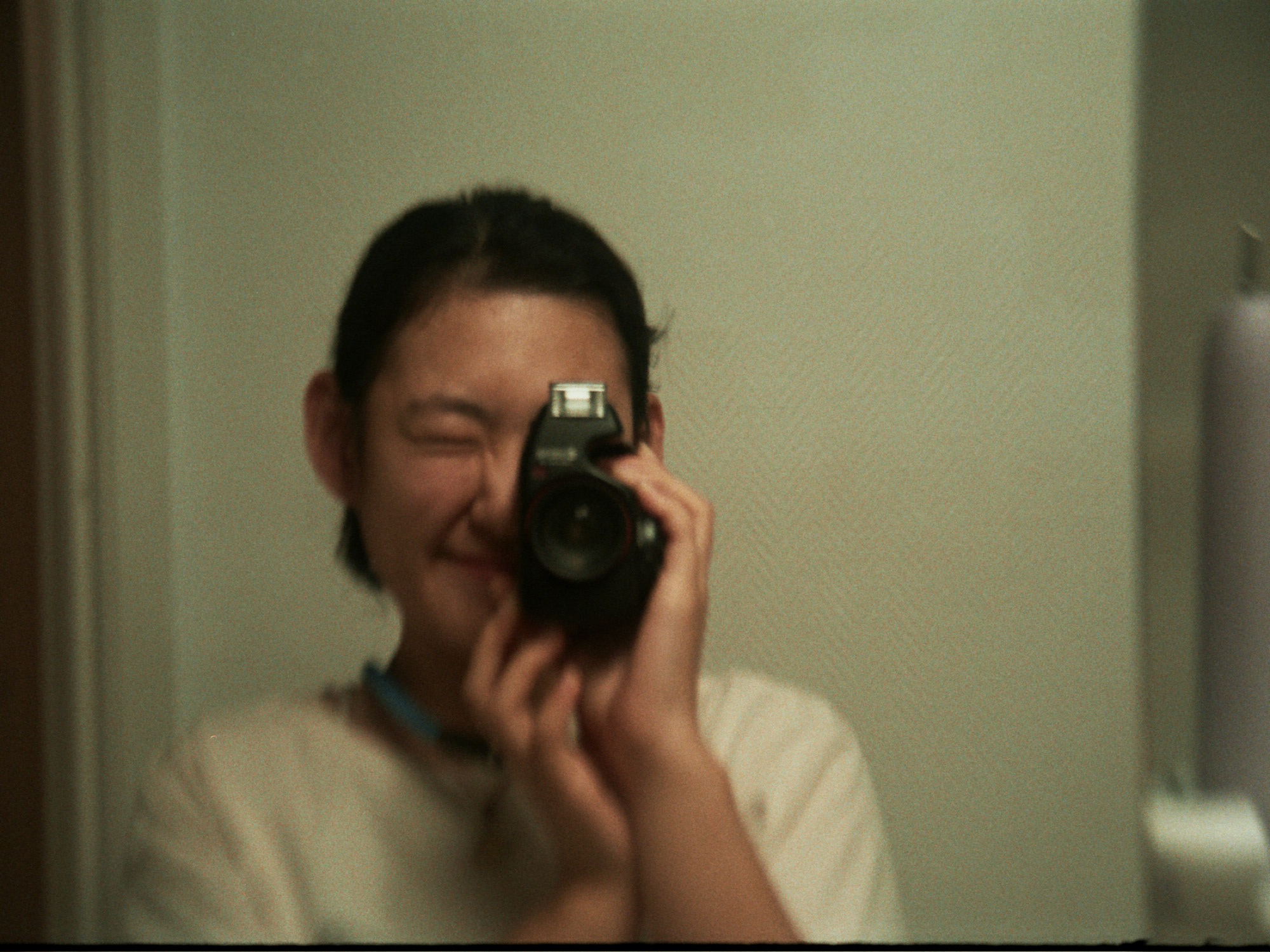
I am a third-year PhD student in the Department of Experimental Psychology at Ghent University. Originally from Beijing, China, I have spent much of my life studying abroad in the UK, Germany, and now Belgium—an experience that has deeply shaped my curiosity about language, culture, and human nature.
Currently, my research focuses on investigating the use of statistical learning in individual readers, particularly how varying sensitivities to orthographic regularities can impact their reading performance.
Beyond my academic work, I actively seek inspiration from books, music, and media, while also exploring my own refl ections through painting, creative writing, and photography. I feel incredibly fortunate that my current path allows me to engage with the world through both scientifi c inquiry and creative expression, constantly searching for and shaping new perspectives.
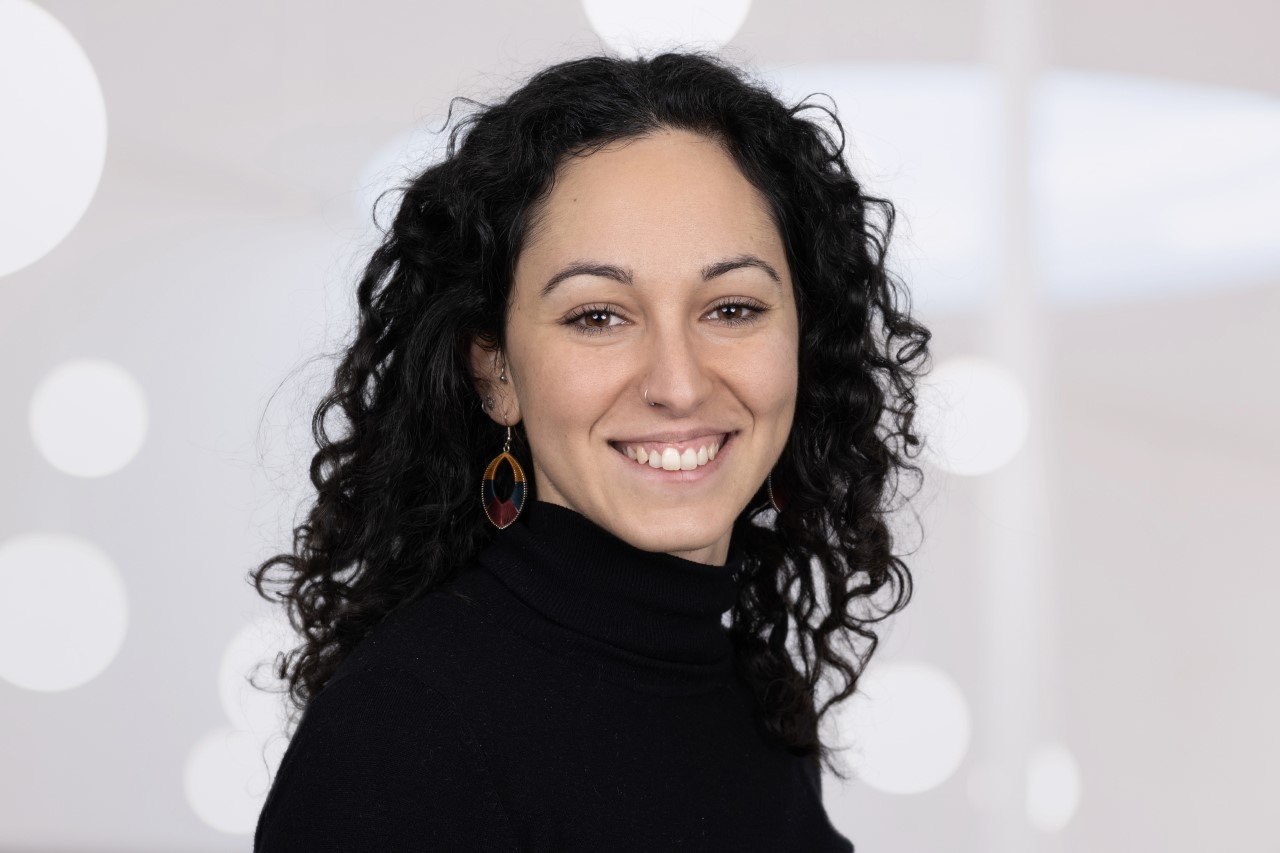
Anaïs Notario Reinoso, Amsterdam, The Netherlands
Scientist
Anaïs Notario Reinoso is a PhD researcher at the University of Amsterdam. She was born in a small town in the South of Spain. Before moving to Amsterdam, she studied for her Bachelor in Madrid. During that time, she spent 6 months in Ghent, Belgium, as part of an Erasmus Program. Afterward, she moved to Antwerp, Belgium, to do a Master in Neuroscience.
Her research work focuses on the long-lasting effects of cannabis consumption during adolescence on brain functioning. Specifi cally, she is very interested in the Prefrontal Cortex, a region of the brain that is in charge of complex tasks such as decision-making, planning, and social behaviors. This brain region is the last one to fi nish developing (25 years old) and therefore it is very vulnerable to insults such as drug consumption during the time before 25 years old.
She believes that increasing the younger generation’s understanding of how their brain develops and the risks and consequences of consuming cannabis during adolescence, allowing them to understand their own brain will give them agency to decide in a more informed way about the habits they want to acquire/maintain.

Got questions? Contact us.
neuronarrativesinfo@gmail.com
© NeuroNarratives 2025. All rights reserved.
 NeuroNarratives