Art-Science Residency
Shifting perspectives through art and neuroscience
Artist-Scientist Pairs
Following the first NeuroNarratives speed dating event, we’re excited to introduce our artist–scientist pairs.
These dynamic duos will collaborate over the coming year, combining their interdisciplinary perspectives to co-create projects that bring neuroscience to the public with artistic practice.
Meet
Olivia Carruba & Sounak Das
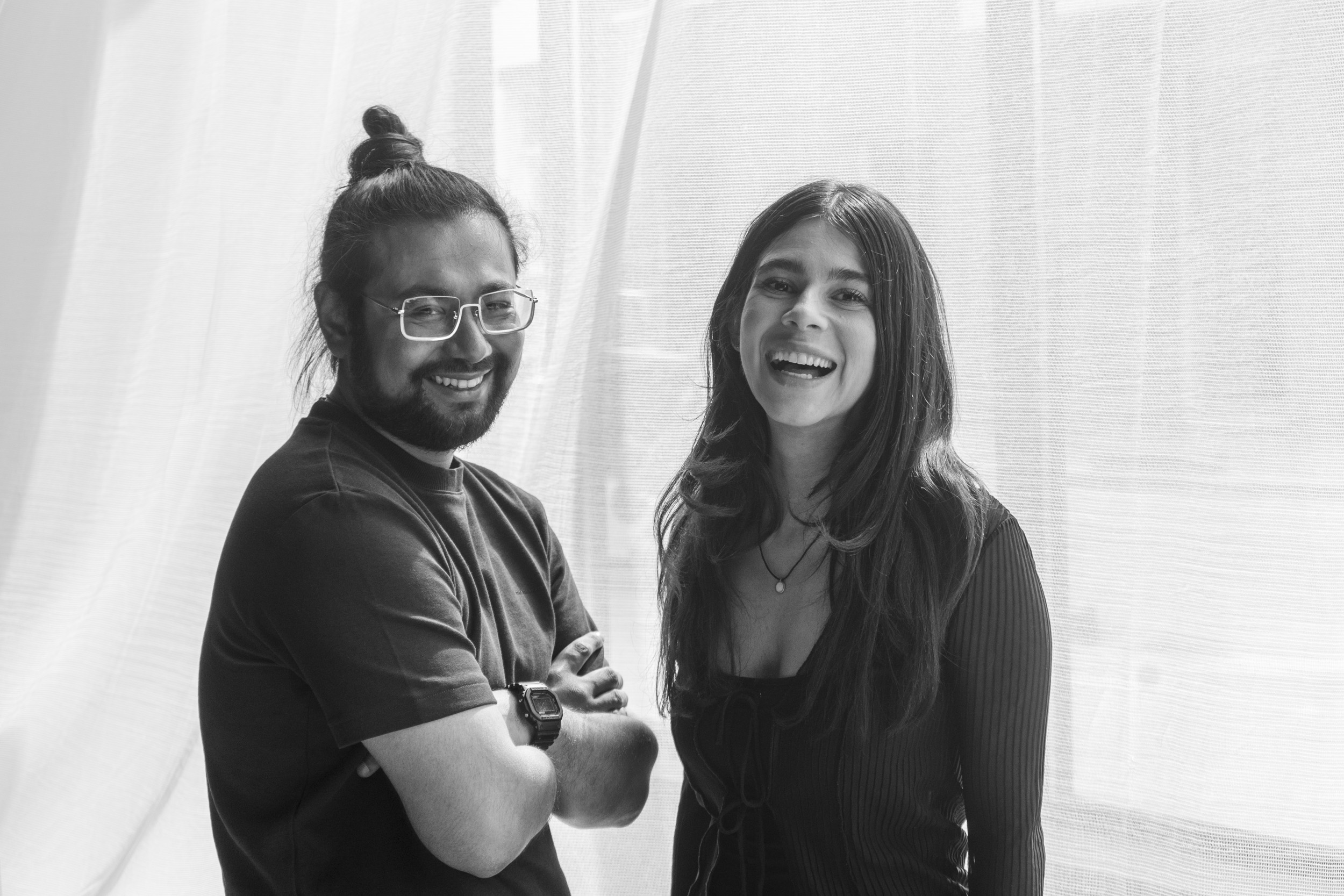
Sounak Das
Artist
Sounak is a multimedia artist captivated by the experimental use of media and technology in art. He explores the deeper philosophical and metaphysical implications of technology and human existence in contemporary culture and contributes to developing pedagogy and mentorship to blend speculative tools and techniques for new media storytelling.
Olivia Carruba
Scientist
Olivia is a social neuroscientist, PhD candidate in psychology and social neuroscience at La Sapienza University of Rome. Her research explores how our internal, visceral signals – heartbeat and gastric sensations – profoundly shape how we navigate the world, perceive others, and make social choices. Her work seeks to unravel the intricate dialogue between body and mind, revealing how internal states guide connections we construct with ourselves and others.
Collboration Project
In an increasingly digitized world, we are saturated with external signals while growing estranged from the visceral rhythms that shape our embodied sense of self and connection. Yet amid this outward stimulation, we remain guided by interoceptive signals—subtle internal cues that help maintain physiological balance, emotional regulation, and intuitive, preconscious social bonds. At the heart of the project lies a shared fascination with interoception, our ability to sense signals from inside the body with breath, and spirituality. Our guiding question is simple: how does the body’s internal rhythms diverge from what we think we feel?
Heartbeat and breath are constant companions, yet they often fade into the background of conscious awareness. In this interdisciplinary art project, we investigate how internal bodily rhythms, particularly heartbeat and breathing, can be translated into an external sensory experience through a sculptural sound installation that listens to the body and responds. Rather than treating physiological signals as physiological functions, we frame them as the core rhythms of an abstract, personal machine. By creating an audible, non-human representation of the self, this act of temporary externalization allows spectators to surrender their bodily rhythms to a machine, and through immersive-interactive installation, they encounter their own reflection in a non-human form.
Meet
Anaïs Notario Reinoso & Marina Orlova
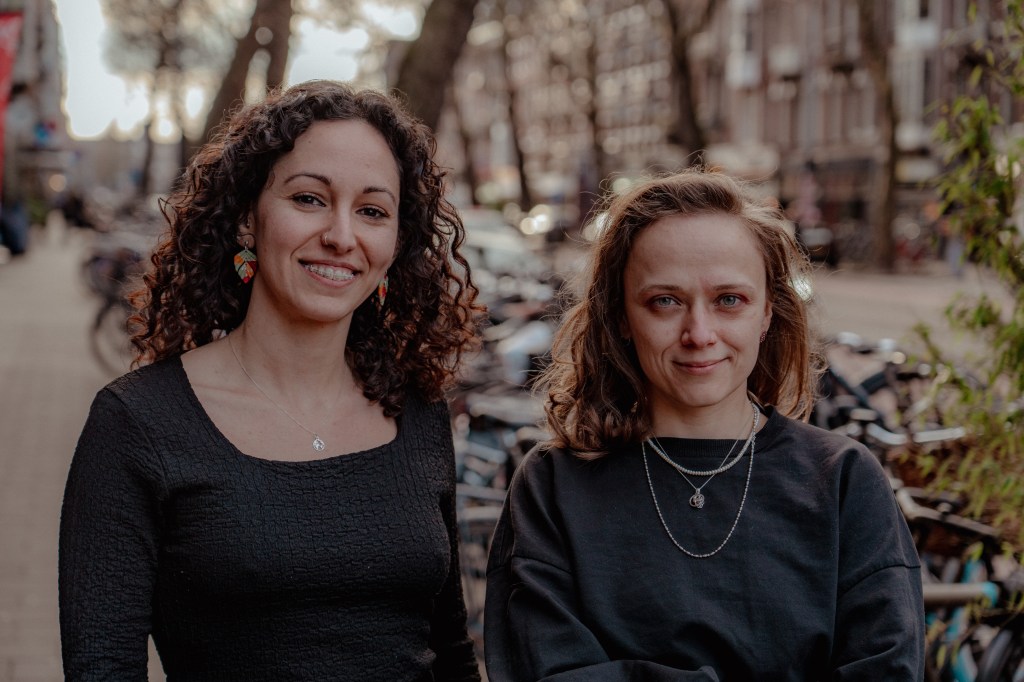
Anaïs Notario Reinoso
Scientist
Anaïs is a PhD researcher at the University of Amsterdam. Her research work focuses on the long-lasting effects of cannabis consumption during adolescence on brain functioning. Specifically, she is interested in the Prefrontal Cortex, a region of the brain that is in charge of complex tasks such as decision-making and social behaviors.
Marina Orlova
Artist
Marina is an independent dance/theatre maker and tech dramaturg. She has been working with AI on stage, being a mediator between AI engineering logic and theatre apparatus. She is creating anti-disciplinary performances on the crossover of mental health, AI ethics, and Data feminism. Her aesthetics are autofiction, tragicomedy, and absurdism.
Collboration Project
In our collaboration, we explore the notion of executive dysfunction by bringing neuroscientific perspectives into dialogue with the lived experience of neurodivergence. Its starting point is an examination of social biases and prejudices embedded in both scientific and public discourses surrounding differences in neurological and psychological functioning. By questioning how “failure” is defined and understood within these contexts, the project offers a critical perspective on difference within an increasingly polarized society.
The work takes the form of a participatory performance or experiential encounter. Drawing on choreographic methodologies and game design, the audience is invited to engage with a series of scores that prompt observation and reflection on their own perceptions of (dys)functionality, both in themselves and in others. The experience concludes with a collective reflection session, during which participants are invited to share insights and responses. This discussion will be documented and archived, and later presented alongside the written scores, forming an evolving record of embodied knowledge and shared experience.
Meet
Leila Salvesen & Kurina Sohn
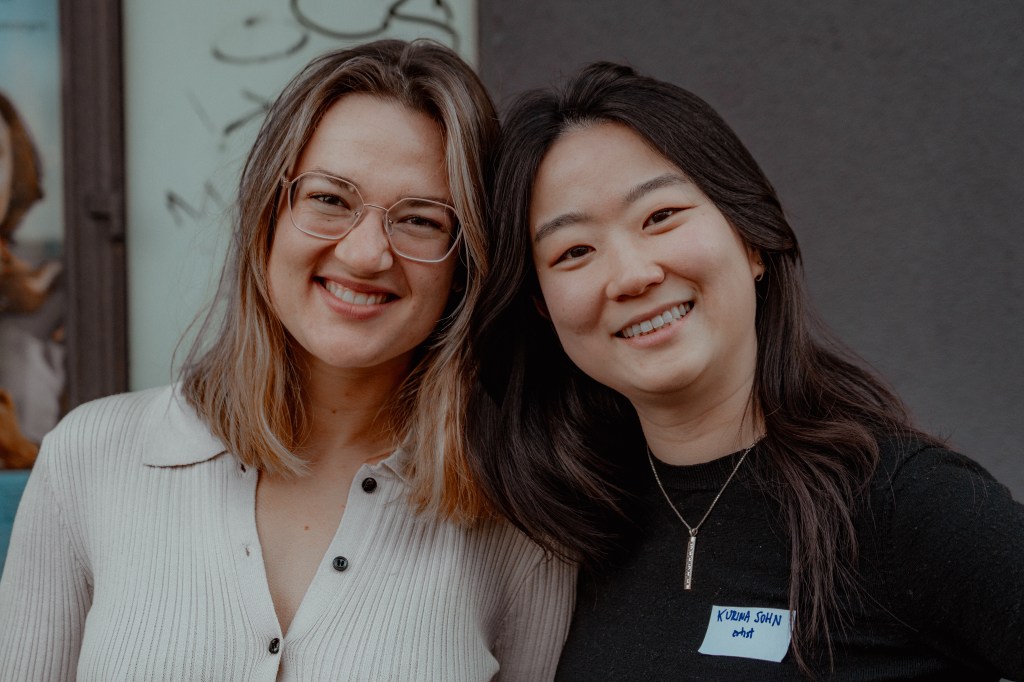
Leila Salvesen
Scientist
Leila is a doctor in cognitive neuroscience. Her research work has primarily focused on dream consciousness, investigating the determinants of oneiric experiences and their relationship to the sensory (dis)connection processes during sleep. Currently, she is a postdoctoral researcher at VU Amsterdam, exploring the neural signatures of meditative practices and how they may inform predictive brain theories.
Kurina Sohn
Artist
Kurina is a multidisciplinary designer from Korea who is based in Amsterdam. Grounded in comprehensive research, her projects employ a poetic approach to offer fluid and inclusive interpretations of modern realities. She infuses her creations with a deep theoretical understanding of these transformative elements, ranging from collectible design to immersive installations.
Collboration Project
Attention regulation is more than a cognitive skill. It is how we curate our mental space, focusing on what matters and disengaging from what is irrelevant, ultimately guiding our behaviour. Yet this skill is increasingly challenged as both physical and digital environments become ever more stimulating and fast-paced. Expressions such as “mind fracking” have emerged to describe how modern societies place unprecedented demands on our attention, with parallel increases in diagnoses such as ADHD, depression, and burnout. Reclaiming our attention is therefore crucial for both individual well-being and societal functioning.
The goal of attention mastery, however, is far from new. Eastern contemplative traditions have developed mind-training protocols for millennia, giving rise to diverse meditative practices. Through attentional control, meditation can lead to deeply altered states of consciousness, sometimes accompanied by profound experiential insight. These states have been shown to coincide with lasting changes in brain anatomy and functional connectivity. As such, contemplative practices have stood the test of time and are now integrated into secular therapeutic approaches, such as mindfulness-based stress reduction programs, increasingly recognised for their benefits in clinical treatment and general well-being. Another route to altered states of consciousness is hypnotic trance, which relies on three key cognitive mechanisms: absorption, dissociation, and suggestibility. Hypnosis has demonstrated effectiveness in clinical contexts, notably for pain reduction and emotional regulation, with benefits that parallel those attributed to meditation. Yet, the neural mechanisms through which hypnosis exerts its effects on mind and body remain poorly understood.
Our collaboration project investigates how hypnotic phenomena can induce a shift from typical awareness to altered attentional and perceptual states, enabling new modes of thought and potentially modulating sensitivity and creativity. It further explores the parallels between hypnosis and meditation to examine whether a shared model of top-down, attentionally driven neurophysiological mechanisms could explain their common effects on health and behaviour.
Meet
Sara Garofalo & Nieke Koek
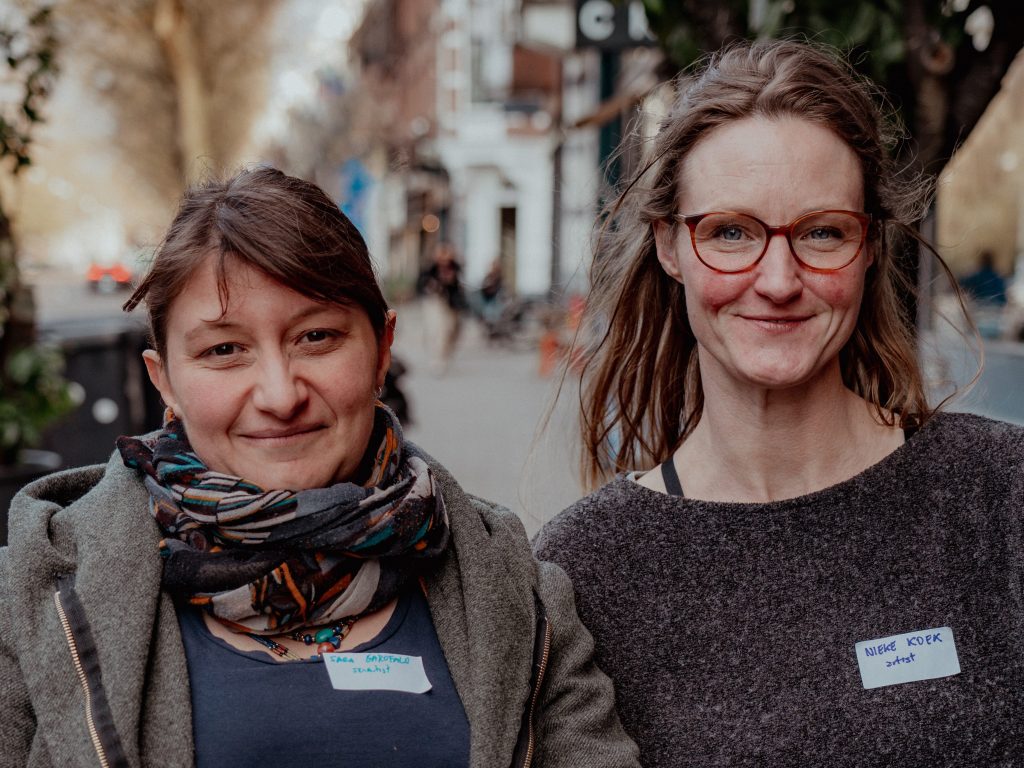
Sara Garofalo
Scientist
Sara is a neuroscientist and a professor of psychometrics at the Department of Psychology of the University of Bologna. Her research work focuses on understanding how the human brain responds to external stimuli that, once associated with rewards and punishments, can influence our daily choices. As a science communicator, she writes books, articles, and creates video content for various platforms, including TED and HuffPost UK.
Nieke Koek
Artist
Nieke has always been fascinated by the human body. Her work is a poetic translation of the experience of the body, raising everyday sensations to the level of art. With body awareness as a starting point and through (theoretical) research, a diverse palette of works is realized. The artworks vary from performance to video installation, from wearable to sculpture, and involve illustrative elements of the body in motion.
Collboration Project
Do you trust your mind? Do you allow yourself to feel the in-between experiences?
Our collaboration project invites participants to explore the mind’s gray zones: the overlapping territories between fear and desire, reward and punishment, pleasure and pain. It moves between spontaneous emotional responses associated with the limbic system and controlled, deliberate reasoning guided by the frontal cortex.
Approached through a playful yet introspective lens, the work questions the reliability of our own minds and the subtle forces—emotional, bodily, and cognitive—that shape our decisions. By linking emotional ambiguities to the underlying cognitive processes that regulate them, the project challenges the notion of a stable or fully trustworthy inner compass. Engaging with these gray areas of the mind can deepen awareness of how choices are formed, open new possibilities for cooperation, and contribute to both individual and collective well-being.
Meet
Armand Lesecq & Haoyu (Nina) Zhou
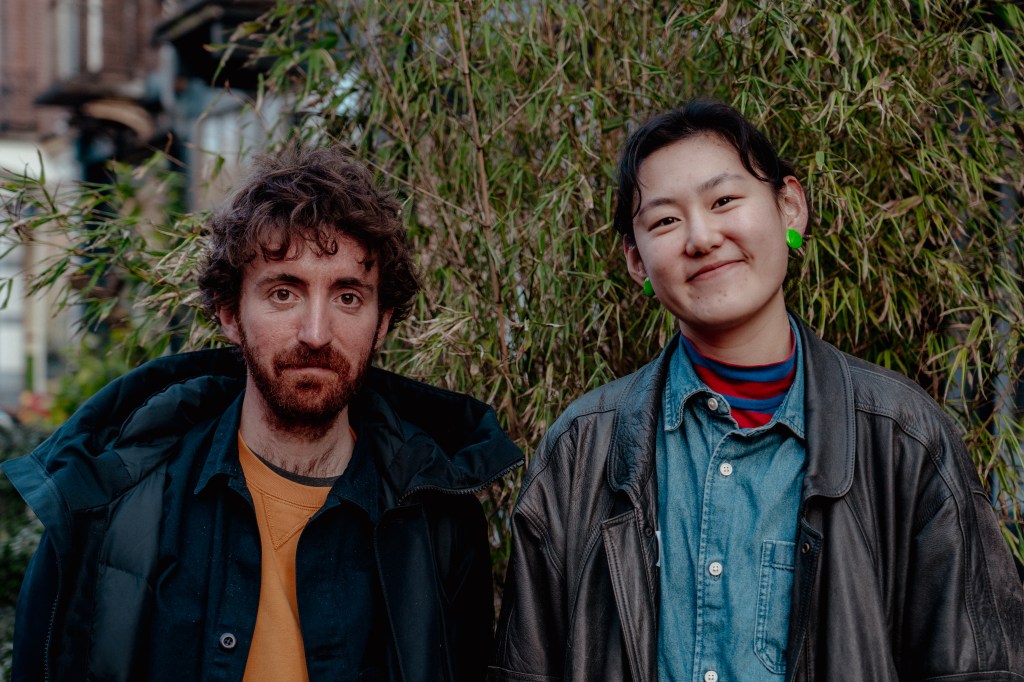
Armand Lesecq
Artist
Armand is an interdisciplinary artist and music composer developing a practice in the fields of sound and visual art, art-science, experimental music, and expanded cinema. His research lies at the crossroads between studies of altered states of consciousness, psychophysical phenomena, and the role of mental projections in the process of reality-making.
Haoyu (Nina) Zhou
Scientist
Nina is a third-year PhD student in the Department of Experimental Psychology at Ghent University. Originally from Beijing, China, her research focuses on investigating the use of statistical learning in individual readers, particularly how varying sensitivities to orthographic regularities can impact their reading performance.
Collboration Project
In a world of constant stimulation, the boundary between chaos and meaning is increasingly blurred. Every day, we are bombarded with sounds, images, and sensations. Meanwhile, we are trying to organize this overwhelming input into understandable patterns almost instinctively.
Our collaboration project explores how we navigate this sensory flood. How do we extract meaning from noise? When does information begin to feel coherent, and when does it collapse back into disorder? Most importantly, do we all experience this threshold in the same way?
The project takes the form of a build-your-own-adventure game composed of evolving audiovisual material. Through shifting layers of abstraction, participants encounter stimuli that move gradually between chaos and coherence—blurring shapes into legible text, scattered sounds into recognizable speech. By tracing these perceptual thresholds, the game invites reflection on the fluidity and diversity of how we experience meaning in an increasingly complex world.
Meet
Maartje de Jong & Eleni Kamma
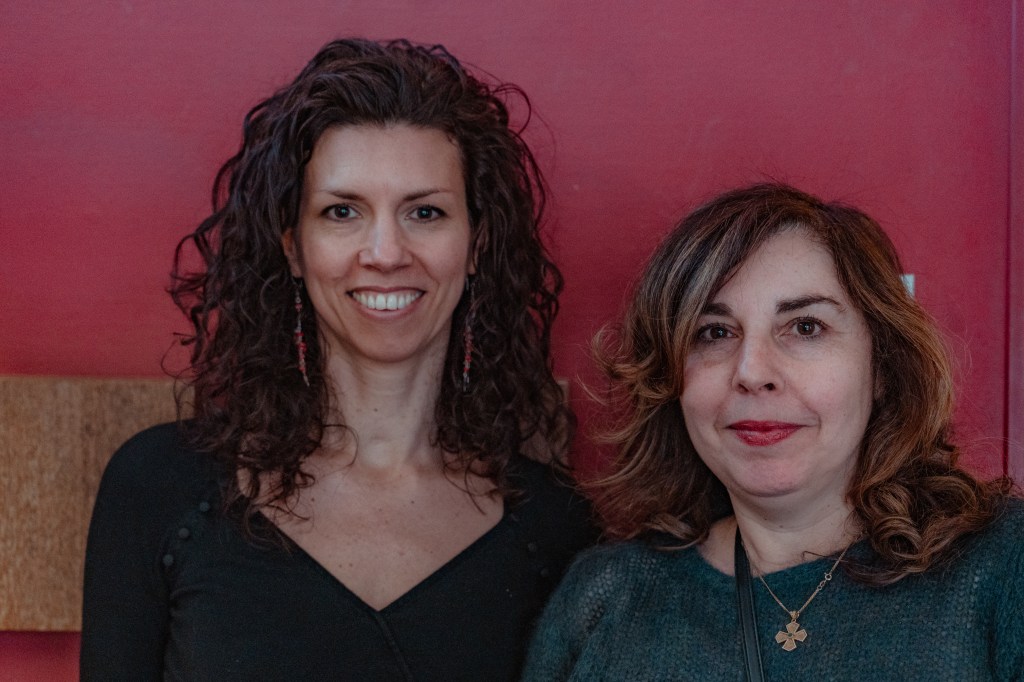
Maartje de Jong
Scientist
Maartje is a scientist at the Netherlands Institute of Neuroscience. She is interested in how our brain makes sense of all the information it receives through our senses. Her researches want to know how our brain uses this information to create a meaningful image of the outside world. An image that serves our needs and goals and guides our behaviors.
Eleni Kamma
Artist
Eleni is a visual artist, researcher, and educator living and working in Maastricht and Brussels. She holds a PhD from Leiden University Academy of Creative and Performing Arts and was a Fine Art Researcher at the Jan Van Eyck Academie. She is currently exploring costume-making as a procedural memory activity and how this contributes to the re-formation of memory and folkloric heritage.
Collboration Project
How do different parts of the system cooperate? How do they communicate with one another? What distinct roles do the parts play, and how does the system fail when one part is damaged or disrupted?
Our collaboration project investigates how different parts of a system depend on one another in order for the system as a whole to function. We use the brain as a model system to explore these interdependencies. By using the brain as a point of reference, the project connects systemic thinking to contemporary challenges such as brain disease, psychiatric disorders, and burnout, while also addressing the everyday functioning of our brains and minds within a world saturated with sensations, demands, and constant challenges.
Learn More About Our Residents

Got questions? Contact us.
neuronarrativesinfo@gmail.com
© NeuroNarratives 2025. All rights reserved.
 NeuroNarratives